Exhaust System Types and Their Role in Vehicle Engineering
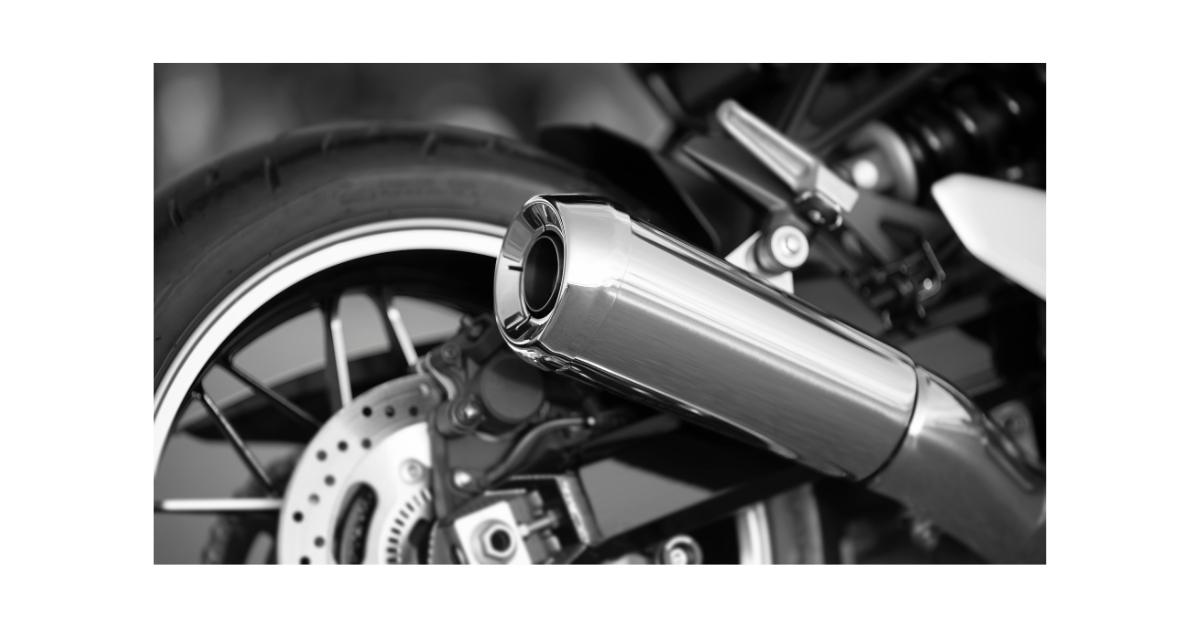
Exhaust System Types play a crucial role in how a vehicle performs, sounds, and complies with emission standards. Every exhaust configuration is designed with a specific balance of airflow efficiency, noise control, durability, and environmental responsibility. From factory-installed systems to performance-oriented upgrades, understanding exhaust system types helps vehicle owners make informed decisions about maintenance and modifications. Different designs influence engine breathing, fuel efficiency, and long-term reliability, making exhaust selection an important aspect of overall vehicle engineering.
Why Exhaust System Design Matters
The design of an exhaust system determines how efficiently combustion gases exit the engine. Smooth gas flow reduces back pressure, allowing the engine to operate more freely and deliver consistent power. Poorly matched exhaust designs can restrict airflow, leading to power loss and increased fuel consumption. Manufacturers carefully choose exhaust system types to match engine displacement, vehicle weight, and intended use. Recognizing the importance of design helps drivers understand why not all exhaust systems perform the same under similar conditions.
Single Exhaust Systems in Everyday Vehicles
Single exhaust systems are the most common configuration found in passenger vehicles. They consist of one exhaust manifold outlet leading through a single pipe, muffler, and tailpipe. This design prioritizes cost efficiency, simplicity, and adequate performance for daily driving. Single systems are lightweight and easier to maintain, making them suitable for small to mid-sized engines. While they may not maximize power output, they provide reliable operation and effective noise control for standard commuting needs.
Dual Exhaust Systems and Performance Balance
Dual exhaust systems feature two separate exhaust paths, allowing gases to exit the engine more efficiently. This configuration reduces back pressure and improves engine breathing, particularly in larger or higher-performance engines. Dual systems often deliver a deeper exhaust tone and improved throttle response. However, they add complexity and weight compared to single systems. Many drivers choose dual exhausts for a balance of performance enhancement and aesthetic appeal without sacrificing drivability.
Cat-Back Exhaust Systems Explained
Cat-back exhaust systems replace components from the catalytic converter to the tailpipe. They are popular upgrades because they improve airflow without interfering with emission control devices. Cat-back systems often enhance exhaust sound and may provide modest power gains. Installation is relatively straightforward, making them a common choice among enthusiasts. Understanding how cat-back designs fit within broader Exhaust System Types helps drivers evaluate whether this upgrade aligns with their performance goals.
Axle-Back Exhaust Systems and Sound Control
Axle-back exhaust systems modify only the section from the rear axle to the tailpipe. These systems primarily affect exhaust sound rather than performance. They are lighter, less expensive, and easier to install than more extensive systems. Axle-back upgrades are ideal for drivers seeking a more aggressive exhaust note without altering airflow characteristics significantly. While performance gains are minimal, sound customization is the main appeal of this exhaust type.
Header-Back Exhaust Systems for Maximum Flow
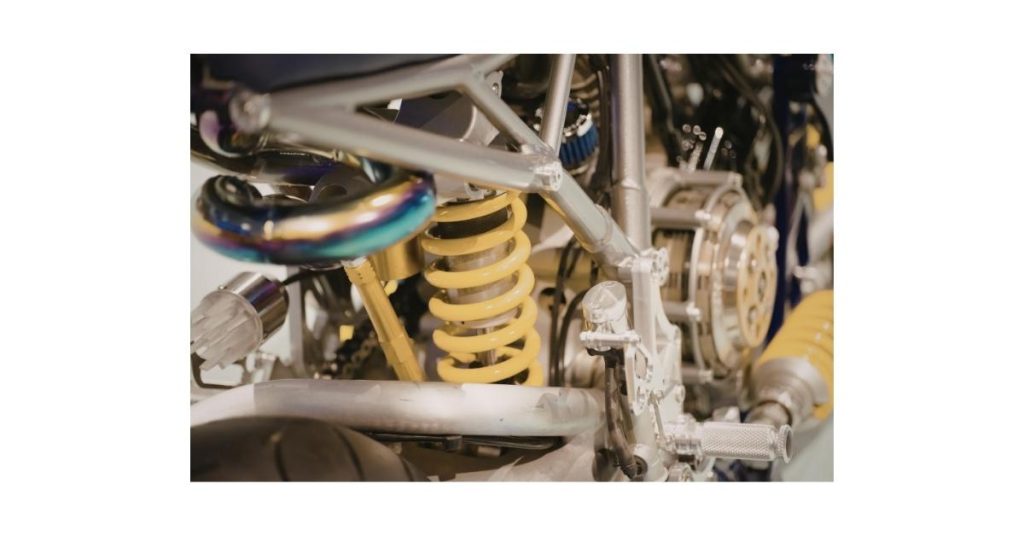
Header-back exhaust systems replace nearly the entire exhaust path, from the headers to the tailpipe. This configuration offers the greatest potential for performance improvement by optimizing airflow throughout the system. Header-back systems are typically used in performance or racing applications where efficiency is prioritized over cost. They require careful tuning to maintain emission compliance and engine balance. This comprehensive approach represents one of the most advanced exhaust system types available.
Material Choices Across Exhaust System Types
Material selection significantly impacts durability and performance. Aluminized steel is commonly used for factory systems due to its affordability and corrosion resistance. Stainless steel offers superior longevity and is often found in aftermarket performance exhausts. Some high-end systems use titanium to reduce weight while maintaining strength. Each material choice reflects a trade-off between cost, lifespan, and performance, influencing how different exhaust systems perform over time.
How Exhaust System Types Affect Fuel Efficiency
Exhaust design influences how efficiently an engine expels gases, which directly affects fuel consumption. Systems that reduce back pressure allow smoother combustion cycles, potentially improving mileage. However, oversized or improperly tuned exhausts can reduce low-end torque and efficiency. Selecting the right exhaust system type ensures balanced performance gains without compromising everyday fuel economy. This balance is especially important for vehicles used primarily for daily driving.
Noise Regulations and Legal Considerations
Different exhaust systems produce varying sound levels, and local regulations often limit permissible noise output. Performance-oriented exhausts may exceed legal thresholds if not properly designed. Understanding these regulations helps drivers avoid fines and inspection failures. Manufacturers and aftermarket suppliers design systems to meet legal standards while delivering desired sound characteristics. Awareness of noise compliance is essential when choosing among exhaust system types.
Choosing the Right Exhaust System Type
Selecting the appropriate exhaust system depends on driving habits, vehicle type, and performance goals. Daily commuters may prioritize quiet operation and durability, while enthusiasts may seek improved airflow and sound. Understanding the characteristics of different Exhaust System Types enables informed decisions that align with both practical needs and personal preferences. A well-chosen exhaust system enhances driving experience while maintaining reliability and compliance.